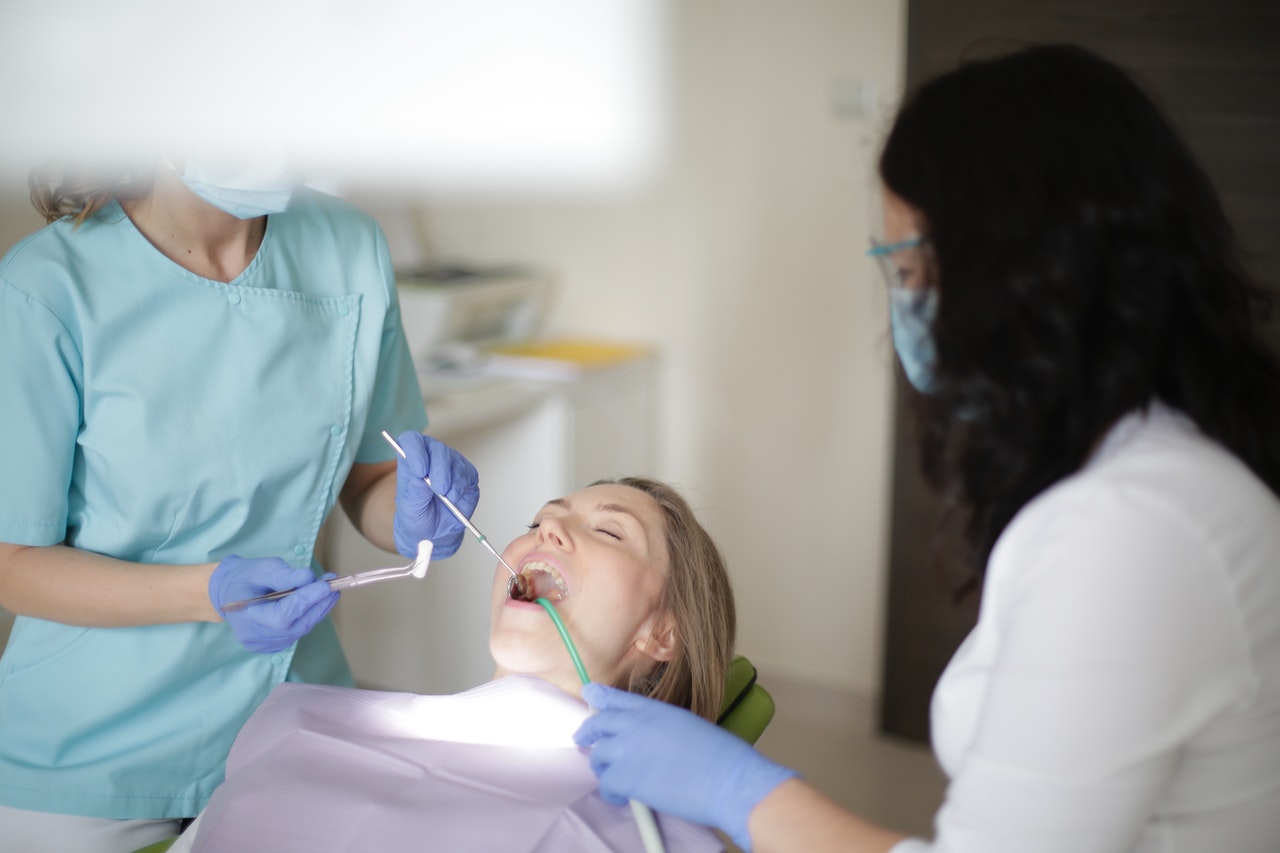
Why am I Vomiting after a Wisdom Teeth Removal?

Removing impacted wisdom teeth is a little more involved compared to a simple tooth extraction for an erupted tooth. Taking care of yourself after surgery is very important. Our team at Evan Baker DDS will discuss how to care for your mouth at home after your wisdom tooth removal, and give you post-operative care tips to keep you feeling great.

What To Expect After My Wisdom Tooth Removal?

Bleeding and Swelling

Many wonder why they feel nauseous after their wisdom tooth removal surgery, and do not know what to expect. After your surgery you may experience some bleeding or oozing and this is very common. We recommend you rinse gently or wipe the blood away. You can use gauze pads provided to help stop the bleeding. You may also experience some swelling around the cheeks or area where the teeth were removed. Ice can be used to help minimize swelling, and should subside after a few days.

Pain and Diet

After your wisdom tooth removal procedure, you may experience some pain. Patients may be prescribed pain medication or antibiotics after their surgery, or we may recommend over the counter pain medication. The pain should subside after a few days, but if you have any persistent pain that does not go away, we recommend calling our office right away.

Following a soft food diet is recommended after wisdom tooth removal while your mouth is healing. Patients should avoid straws and any sucking motions during recovery. Patients should eat balanced meals and stay hydrated.

Nausea and Vomiting

Nausea and vomiting are common after wisdom tooth removal. In some cases, patients feel nauseous after anesthesia. To help your nausea you can sip coke or ginger ale to help the feeling subside. Typically, nausea should go away after 4-6 hours. If your nausea does not go away, we recommend calling our office. In some cases, patients can feel nauseous 2-4 days after their surgery. This is due to pain medication, or can be caused by dehydration.

What Are Other Complications?

Most patients recover easily, but if you experience any fever or feel dizzy, we encourage you to contact our office right away. Patients may feel stiff after their procedure or have a sore throat. This should also subside, but if these symptoms do not go away, we recommend contacting our office.

Taking Care of your teeth after surgery is important. Patients should still brush and floss gently after having their wisdom teeth removed. If you experience any prolonged pain, this should be addressed right away, and we recommend calling our office.

Interested in Finding Out More?

If you are interested in finding out more about wisdom tooth removal and the recovery process, contact Evan Baker DDS. Our highly trained staff is happy to answer any questions or concerns you have, and we welcome you to schedule an appointment. If you think you may need wisdom tooth removal the first step is scheduling a consultation with us. Our doctors will complete a thorough exam, and create a customized treatment plan. Your oral health is our priority, and we always provide the very best care for all of our patients.

To schedule your appointment, contact Evan Baker DDS, and our staff will be happy to assist you.

Can a Dry Mouth Cause Cavities?

Dry Mouth with tongue wide open

Dry mouth is also known as xerostomia, and this happens when the salivary glands do not produce enough saliva in the mouth. In some cases, dry mouth is temporary, and can be caused by dehydration. In other cases, dry mouth is a chronic problem, and many struggle with this issue. Dry mouth can be caused by medical conditions such as diabetes, or can be caused by an infected salivary gland.

When we do not have enough saliva production this can cause oral health issues. Saliva plays an important role in our oral health, and helps to protect our teeth and gums from acids or erosion. The saliva washes away bacteria or food, and keeps our teeth and mouth healthy.

What Issues Can Dry Mouth Cause?

Dry mouth can cause many issues including gum disease, tooth decay, staining, and erosion of enamel. When bacteria are not washed away, and plaque and tartar collect, this can cause gum disease, and in turn this increases the risk of tooth decay and cavities. If not treated gum disease can cause tooth deterioration, or even tooth loss.

When your saliva production is low the bacteria and acids stay on your teeth longer, and this can lead to tooth decay or enamel erosion. If the acid and plaque levels are high, your teeth can become discolored or stained. It is always important to attend your regular dental exams and cleaning appointments to ensure your teeth and mouth are healthy, and do not have any decay.

How Can I Treat Dry Mouth?

The good news is there are ways to treat dry mouth and restore the health of your teeth and gums. Depending on the level of damage will determine what treatment is required. Restoration options include fillings, crowns, or gum treatments.

Tips To Prevent Dry Mouth

  • Stay hydrated and drink plenty of water
  • Use an over-the-counter saliva treatment or substitute
  • Use a humidifier while sleeping to increase moisture in the air
  • Chew sugar-free gum to help saliva production
  • Stay on top of your oral health routine, and brush and floss daily to prevent plaque and bacteria buildup

Ready To Find Out More?

If you are suffering from dry mouth, and have concerns about your oral health, we encourage you to contact Evan Baker DDS. Scheduling a consultation with our team is the first step towards healthy teeth and gums. Our doctors will perform a thorough exam, and provide treatment recommendations that work for you. Dry mouth can lead to serious issues, and should always be addressed right away.

To schedule your appointment, please contact Evan Baker DDS, and our friendly staff will be happy to assist you.

How Come Some People Get Cavities Easier Than Others?

How Come Some People Get Cavities Easier

Cavities are always something we try to avoid with brushing and flossing each day. You may notice you get cavities frequently and others don’t. This doesn’t seem fair, but there are other factors that play into keeping your teeth free of decay that you may not realize. There are ways to reduce your risk for cavities outside of brushing and flossing regularly.

Why Are Some Prone to Cavities More Than Others?

  • Diet – Reducing the amount of sugar you eat or drink can help prevent cavities. Your chance of getting cavities increases if you eat or drink foods with a high amount of sugar.
  • Gum Recession – If you suffer from gum disease and your gums are receding, the root of the tooth is exposed. Bacteria can reach the root area of the tooth and cavities can develop more easily.
  • Dry Mouth – If you tend to have a dry mouth your risk for decay increases. We need saliva to wash away bacteria in our mouths.
  • Genetics – Unfortunately some people are born with a tendency to develop cavities more frequently than others. This is because some people are more susceptible to a certain type of cavity causing bacteria.

How Can I Reduce My Risk for Cavities?

There are things you can do to help reduce your risk for cavities. This doesn’t mean you will never have a cavity again, but it does mean you are changing your habits, and putting forth a good effort to try and prevent decay from developing.

  • Regular Visits to Your Dentist – Make sure you attend your regular visits to your dentist. These exams help to identify potential cavities, and allow the dentist to get in front of issues before they become worse.
  • Reduce Sugars in Your Diet– Try and stay away from foods or drinks that are high in sugar.
  • Keep Up With Oral Hygiene – Stay on top of your oral hygiene with brushing and flossing at least twice a day. This will help prevent plaque buildup that causes decay.
  • Use a Toothpaste With Fluoride – Using a toothpaste that contains fluoride can help prevent tooth decay.
  • Use Mouthwash – Mouthwash can help rinse away bacteria, and if the wash contains fluoride this can help prevent cavities.

Knowing what you can do to help prevent cavities can help you avoid many trips to the dentist. Taking care of our teeth is very important, and can help avoid dental issues. Always practice good oral hygiene habits to keep your teeth and mouth feeling great.

At Evan Baker DDS, we discuss what patients are doing at home to help prevent decay. Our staff provides tips and tricks to help our patients keep their teeth looking great. Taking care of your teeth and gums is important, and can avoid serious issues from developing. If you have not been to our office for your regular dental exam, we encourage you to schedule your appointment.

Ready to Schedule Your Appointment?

If you are looking for a dentist near you for your regular dental exam, Evan Baker DDS is here to help. Our office has state of the art technology and equipment, and we always provide the highest level of service to all of our patients.

To schedule your appointment with us, contact Evan Baker DDS, and our friendly staff will be happy to assist you.