Is Dental Bonding Permanent?

Dental Bonding

If you have decided to restore your smile dental bonding is a great option. Bonding is not permanent, and can be reversed if necessary. Bonding is very durable, and if you have any wear or tear it can be repaired easily. This treatment can take care of cosmetic issues, is quick, and less expensive compared to other options. Dental bonding is great for repairing decayed, chipped, or fractured teeth. Bonding can even correct discolored teeth, and looks natural.

The composite material used can be shaped to match your natural teeth. Other benefits include changing the length of a tooth, or closing spaces between teeth. The procedure can typically be done in one day, and no anesthesia is needed. Dental bonding can last between 5-10 years before the composite material begins to wear down.

How Does the Dental Bonding Process Work?

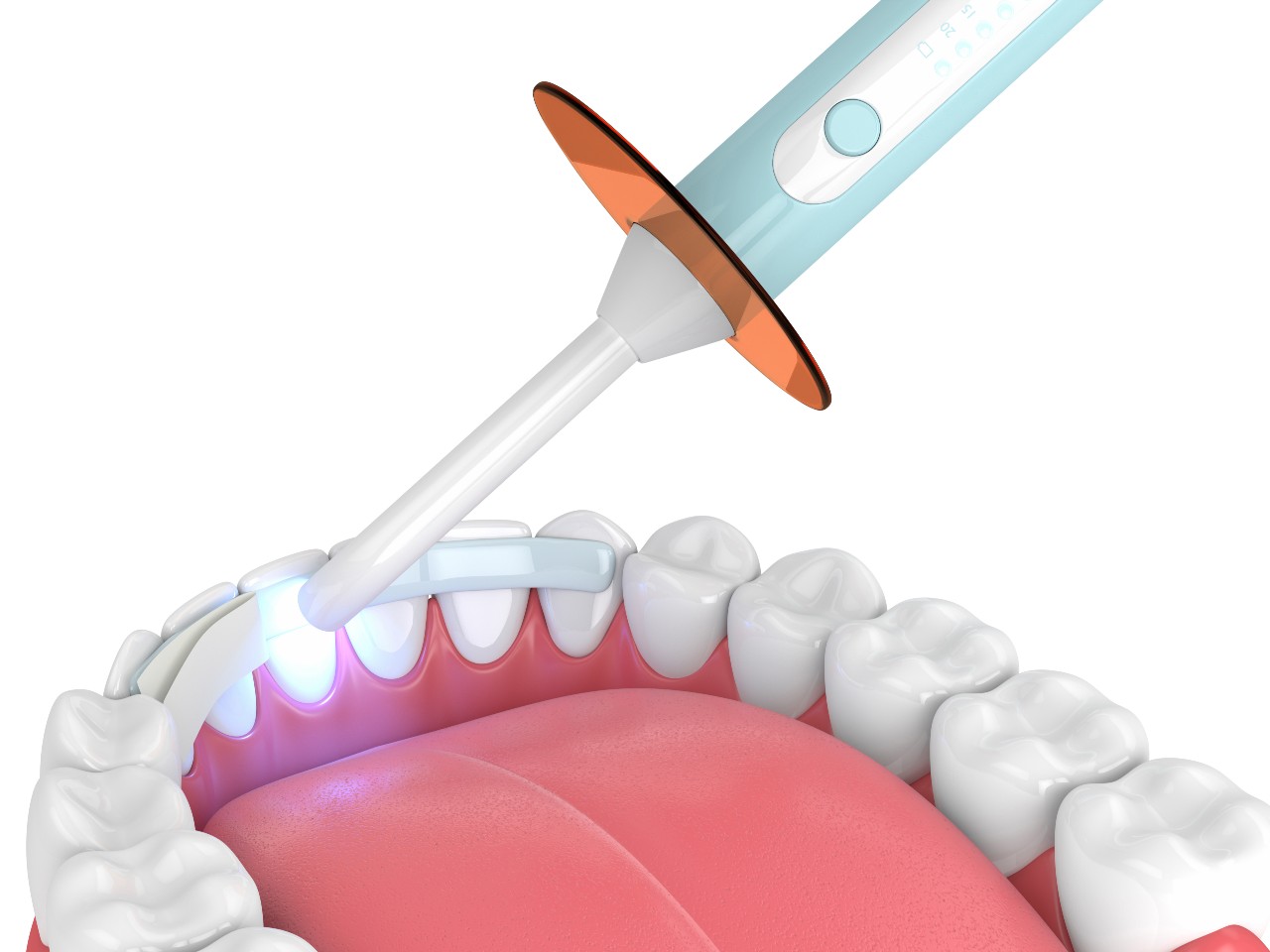
Dental bonding does not require any removal of your tooth enamel. During the process your tooth is gently etched using a mild acid solution to help roughen the surface. This allows the composite material to bond to your tooth easily. The tooth-colored resin material is applied to the area, and is then cured with an ultraviolet light. Your tooth is shaped and polished to match your natural teeth. This process takes between 30-60 minutes.

Does Dental Bonding Last?

Dental bonding requires the patients to take care of the area that was bonded. The composite material used is very durable, but is never as strong as your natural teeth. With dental bonding there is risk of the bonding material separating from the tooth. Dental bonding can also chip or break. This is unlikely, but we do recommend patients do take care of the area that was bonded to avoid any complications. The good news is that dental bonding can be repaired. Dental bonding can last between 5-10 years or longer if taken care of properly.

Interested in Finding Out More About Dental Bonding?

If you are ready to find out more about how dental bonding may benefit you, contact Evan Baker DDS. Our doctors have years of experience in cosmetic dentistry, and love to help patients achieve that smile they have always wanted.

To schedule your appointment with us, contact Evan Baker DDS, and our friendly staff will be happy to assist you.

Can a Dry Mouth Cause Cavities?

Dry Mouth with tongue wide open

Dry mouth is also known as xerostomia, and this happens when the salivary glands do not produce enough saliva in the mouth. In some cases, dry mouth is temporary, and can be caused by dehydration. In other cases, dry mouth is a chronic problem, and many struggle with this issue. Dry mouth can be caused by medical conditions such as diabetes, or can be caused by an infected salivary gland.

When we do not have enough saliva production this can cause oral health issues. Saliva plays an important role in our oral health, and helps to protect our teeth and gums from acids or erosion. The saliva washes away bacteria or food, and keeps our teeth and mouth healthy.

What Issues Can Dry Mouth Cause?

Dry mouth can cause many issues including gum disease, tooth decay, staining, and erosion of enamel. When bacteria are not washed away, and plaque and tartar collect, this can cause gum disease, and in turn this increases the risk of tooth decay and cavities. If not treated gum disease can cause tooth deterioration, or even tooth loss.

When your saliva production is low the bacteria and acids stay on your teeth longer, and this can lead to tooth decay or enamel erosion. If the acid and plaque levels are high, your teeth can become discolored or stained. It is always important to attend your regular dental exams and cleaning appointments to ensure your teeth and mouth are healthy, and do not have any decay.

How Can I Treat Dry Mouth?

The good news is there are ways to treat dry mouth and restore the health of your teeth and gums. Depending on the level of damage will determine what treatment is required. Restoration options include fillings, crowns, or gum treatments.

Tips To Prevent Dry Mouth

  • Stay hydrated and drink plenty of water
  • Use an over-the-counter saliva treatment or substitute
  • Use a humidifier while sleeping to increase moisture in the air
  • Chew sugar-free gum to help saliva production
  • Stay on top of your oral health routine, and brush and floss daily to prevent plaque and bacteria buildup

Ready To Find Out More?

If you are suffering from dry mouth, and have concerns about your oral health, we encourage you to contact Evan Baker DDS. Scheduling a consultation with our team is the first step towards healthy teeth and gums. Our doctors will perform a thorough exam, and provide treatment recommendations that work for you. Dry mouth can lead to serious issues, and should always be addressed right away.

To schedule your appointment, please contact Evan Baker DDS, and our friendly staff will be happy to assist you.

Does Coke Ruin Teeth in General?

Does coke Ruin Teeth

Your diet can play a part in the health of your teeth. Drinking soda is common, and many people drink soda every day without even thinking of the effects on your teeth. Not only is soda bad for your teeth, it is associated with type 2 diabetes and weight gain. At Evan Baker DDS, we focus on prevention and recommend patients follow a healthy diet, and avoid foods and drinks with high sugar levels. Your teeth are important, and the choices you make can help prevent many unwanted visits to the dentist.

What Happens to My Teeth When I Drink Soda?

Breaks Down Enamel

When you drink soda the sugars in the soda mix with the bacteria in your mouth to form acid. This acid attacks your teeth and can wear down the tooth enamel. The acid breaks down the enamel on your teeth and softens it, making the enamel more prone to decay. Evan sugar free sodas can damage your enamel.

Cavities

When you drink soda, the acid can also reach the layer of dentin that is under the enamel. This can cause cavities to develop over time for people that drink Coke regularly. If you have composite fillings, the soda can also erode away your fillings.

What Can I Do To Prevent Coke From Damaging My Teeth?

If you have to have a soda once in a while, there are things you can do while enjoying your beverage that can help prevent damage to your teeth.

  • Use a straw to sip the soda. This will help keep the acid and sugar off of your teeth.
  • Drink soda only on occasion. Only drink soda for special occasions, or try and limit your intake to one soda per day.
  • Drink fast to lessen the time the soda has to interact with your teeth.
  • Rinse with water after you drink a soda. Rinsing after drinking soda can help wash the acids and sugars away from your teeth, and prevent damage.
  • Don’t brush right away after drinking a soda. Brushing right after drinking a soda can cause damage to your teeth. This is because the acid from the soda was just in contact with your teeth, and this makes your teeth more vulnerable to damage while brushing.
  • Attend regular cleanings and exams at your dentist. Regular visits will allow our doctors to identify problems before they become more serious.
  • Do not drink soda before bedtime. Drinking before bedtime just gives the acid and sugar all night to attack your teeth and cause damage.
  • Choose other beverages such as water or sparkling soda water that will not cause damage to your teeth.

Taking care of your oral health should be a priority, and this includes making good choices when it comes to your diet. Staying away from sugary foods and drinks can really help keep your enamel strong, and your teeth free of cavities. If you think you have damage from drinking soda and would like to come in for an exam, we welcome you to schedule an appointment with us. Our team can help get your oral health back on track, and give you recommendations on what to change in order to prevent future issues.

Ready to Schedule Your Appointment?

If you are due for your dental cleaning or exam, or have concerns about the enamel on your teeth and would like to schedule an appointment, please contact Evan Baker DDS, and our friendly staff will be happy to assist you.